Higher Network Uptime
Faster fault detection and remote diagnostics reduce downtime and keep chargers earning. Every percentage point of uptime translates directly into revenue and driver trust.
For CPOs and Networks
01 Challenge & Solution
Challenge
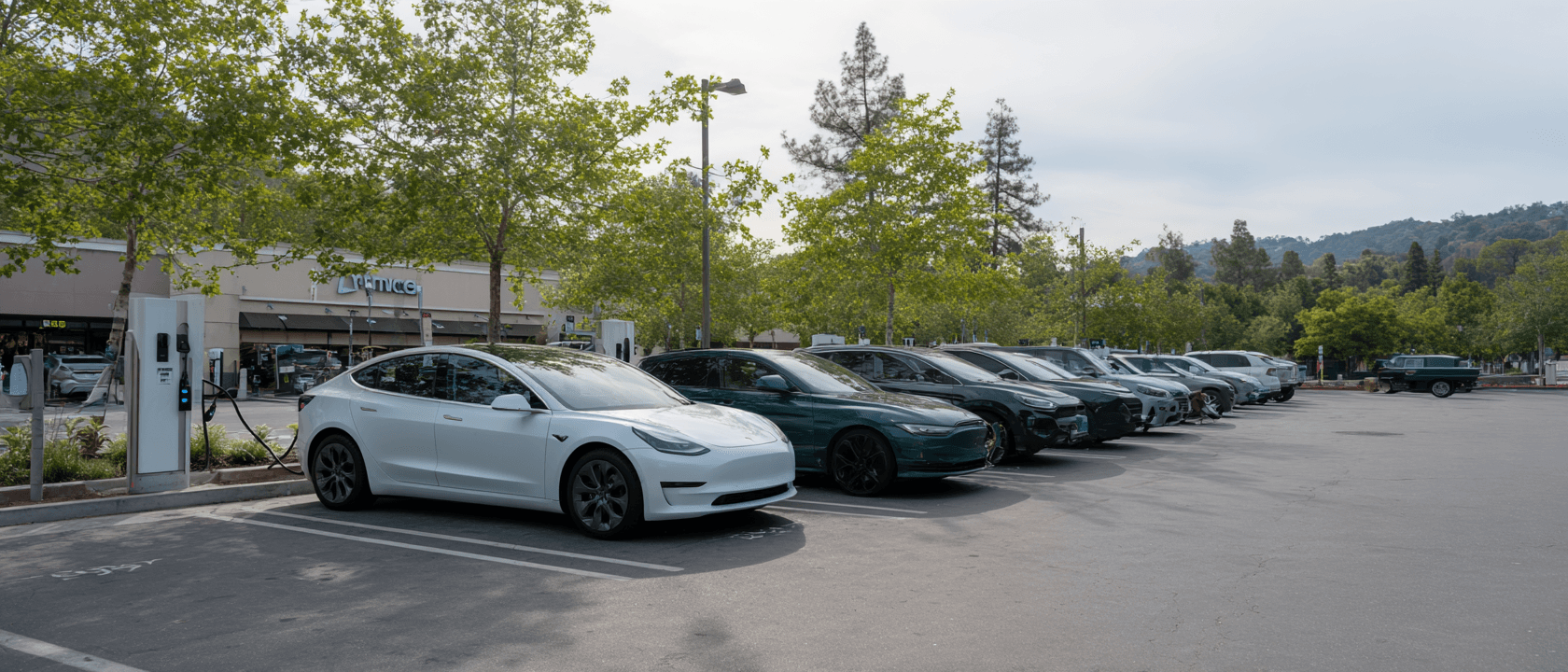
CPOs and charge network operators manage fleets of chargers across dozens or hundreds of sites, often spanning multiple hardware vendors, firmware versions, and backend configurations. Each new site or charger model introduces another integration to maintain, another dashboard to monitor, and another set of vendor quirks to work around. Most operators spend as much time managing their software stack as they do managing their network.
Solution
This unlocks a unified foundation for running charging infrastructure at scale. Operators can manage chargers from any vendor through a single control plane, normalize data across the network, and deploy consistent payment, pricing, and access policies without per-site customization. The result is a network that behaves like one system, regardless of what’s plugged in underneath.
02 Competencies
Competencies
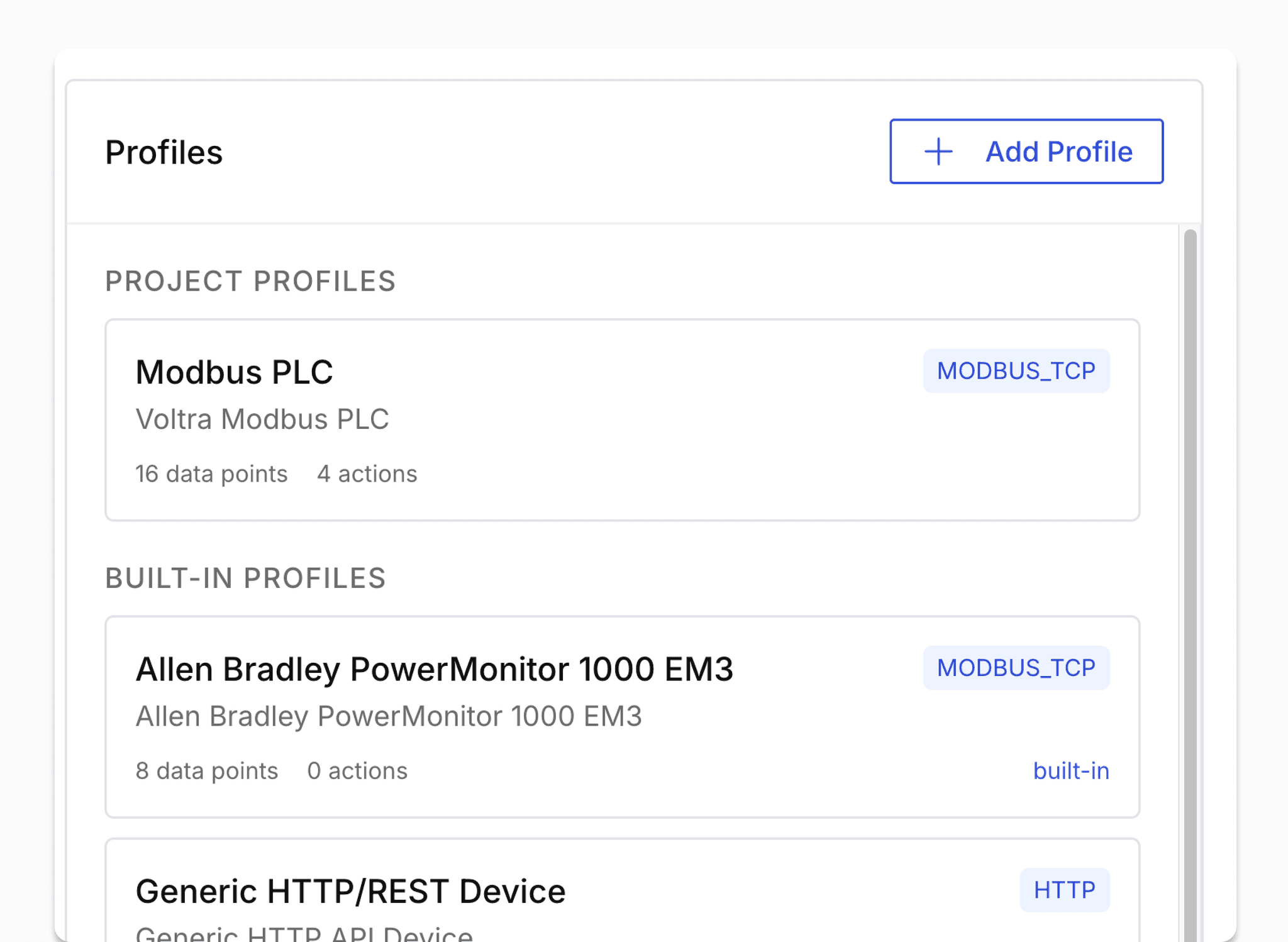
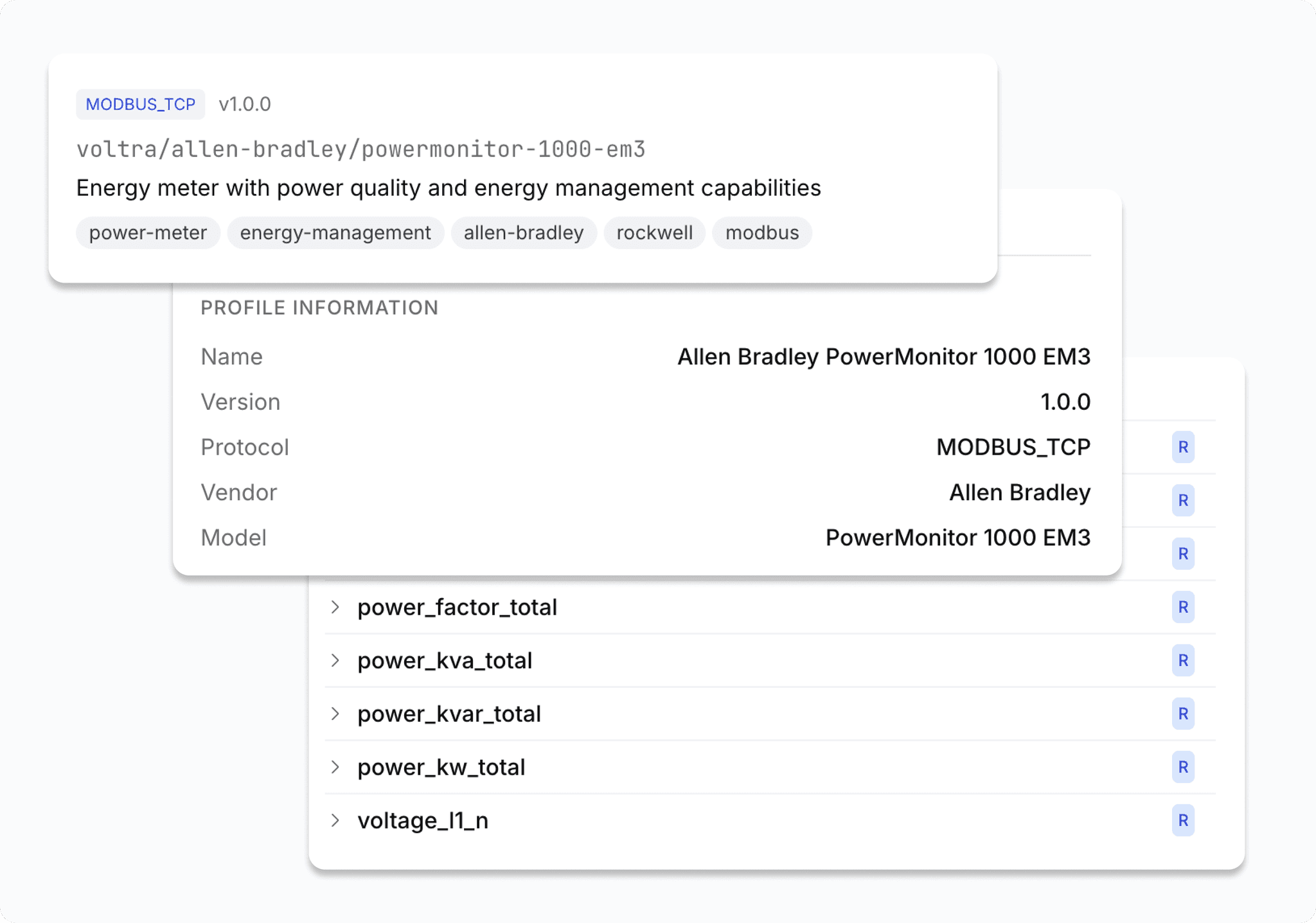
Chargers from different manufacturers can be monitored, configured, and controlled from a single surface. Firmware updates, reboot commands, and configuration changes can be pushed across the network without vendor-specific tooling. New hardware can be onboarded without rebuilding integrations or retraining staff.
Payment processing, pricing rules, and driver authentication work the same way across every charger in the network. Access policies for fleets, memberships, or roaming partners can be configured once and applied everywhere. Revenue flows are consolidated and reconciled without manual site-by-site accounting.
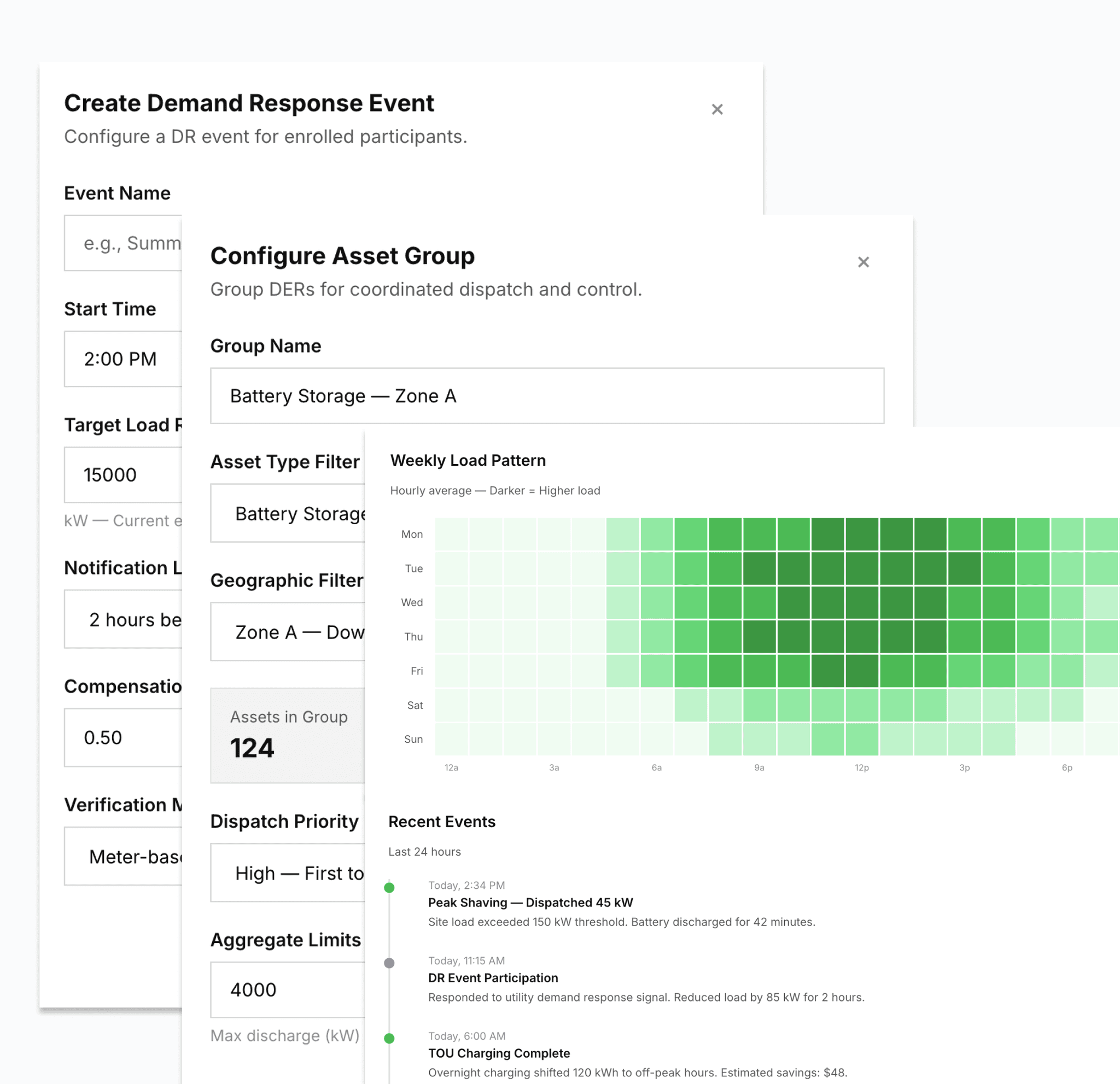
Network-wide uptime, utilization, and fault data is available in real time across all sites and chargers. Anomalies and failures surface immediately, enabling faster response and fewer escalations from drivers. Maintenance can shift from reactive truck rolls to proactive, data-driven service.
03 Impact
IMPACT
Faster fault detection and remote diagnostics reduce downtime and keep chargers earning. Every percentage point of uptime translates directly into revenue and driver trust.
Consolidated tooling and standardized workflows reduce the overhead of managing a growing network. Teams can scale charger count without scaling headcount at the same rate.
New sites come online faster when integration, configuration, and payment setup follow a repeatable process. Expansion becomes a logistics problem, not a software problem.
Instead of juggling separate backends, monitoring dashboards, and payment integrations for each charger brand, operators run the entire network through a single operational layer. This replaces fragmented tools, inconsistent data, and vendor-specific workarounds with a unified stack that compounds in efficiency as the network grows.
As new sites and chargers are added, the operational model stays consistent. Teams spend less time firefighting integration issues and more time improving network performance, expanding coverage, and delivering a better driver experience.
Instead of juggling separate backends, monitoring dashboards, and payment integrations for each charger brand, operators run the entire network through a single operational layer. This replaces fragmented tools, inconsistent data, and vendor-specific workarounds with a unified stack that compounds in efficiency as the network grows.
As new sites and chargers are added, the operational model stays consistent. Teams spend less time firefighting integration issues and more time improving network performance, expanding coverage, and delivering a better driver experience.
Works with the systems already deployedAll of the chargers, payment processors, and backend systems already in use can be brought into a single operational layer without ripping out existing infrastructure. Chargers, Solar, Batteries, and Industrial Control Systems alike can be managed consistently, preserving hardware flexibility and vendor optionality.