Expanded addressable market
Customers who need energy optimization, grid integration, or multi-asset coordination can be served without turning them away. The platform competes for accounts it couldn’t previously win.
For Charge Point Management Systems

01 Challenge & Solution
Challenge
Charge point management platforms serve operators who need more than basic charger connectivity—load management, energy optimization, grid integration, site-level control, and support for non-OCPP devices. Each new capability request means building, maintaining, and supporting another layer of functionality. Most platforms find themselves pulled in multiple directions, unable to go deep on energy while keeping up with core CPMS roadmap demands.
Solution
This unlocks the ability to offer advanced energy capabilities to customers without building them in-house. CPMS platforms can integrate with a partner layer that handles load management, DER coordination, grid services, and site-level optimization—extending what customers can do without fragmenting internal development focus. The platform stays focused on its core; customers get the energy features they need.
02 Competencies
Competencies
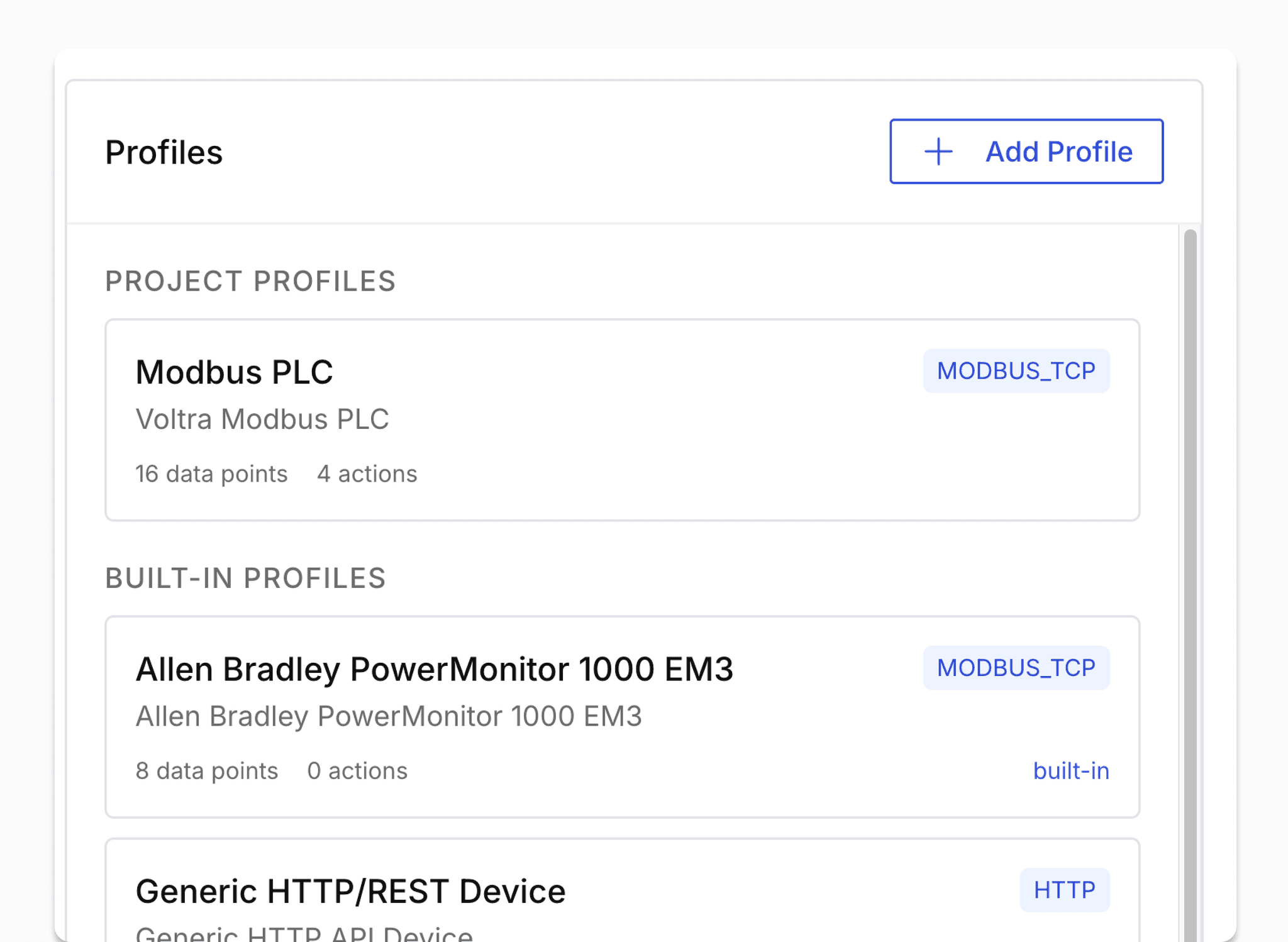
Customers can access intelligent load balancing, demand charge management, and energy optimization across chargers and other site assets. These capabilities integrate with the CPMS without requiring the platform to build power management expertise. Operators get advanced energy features through the platform they already use.
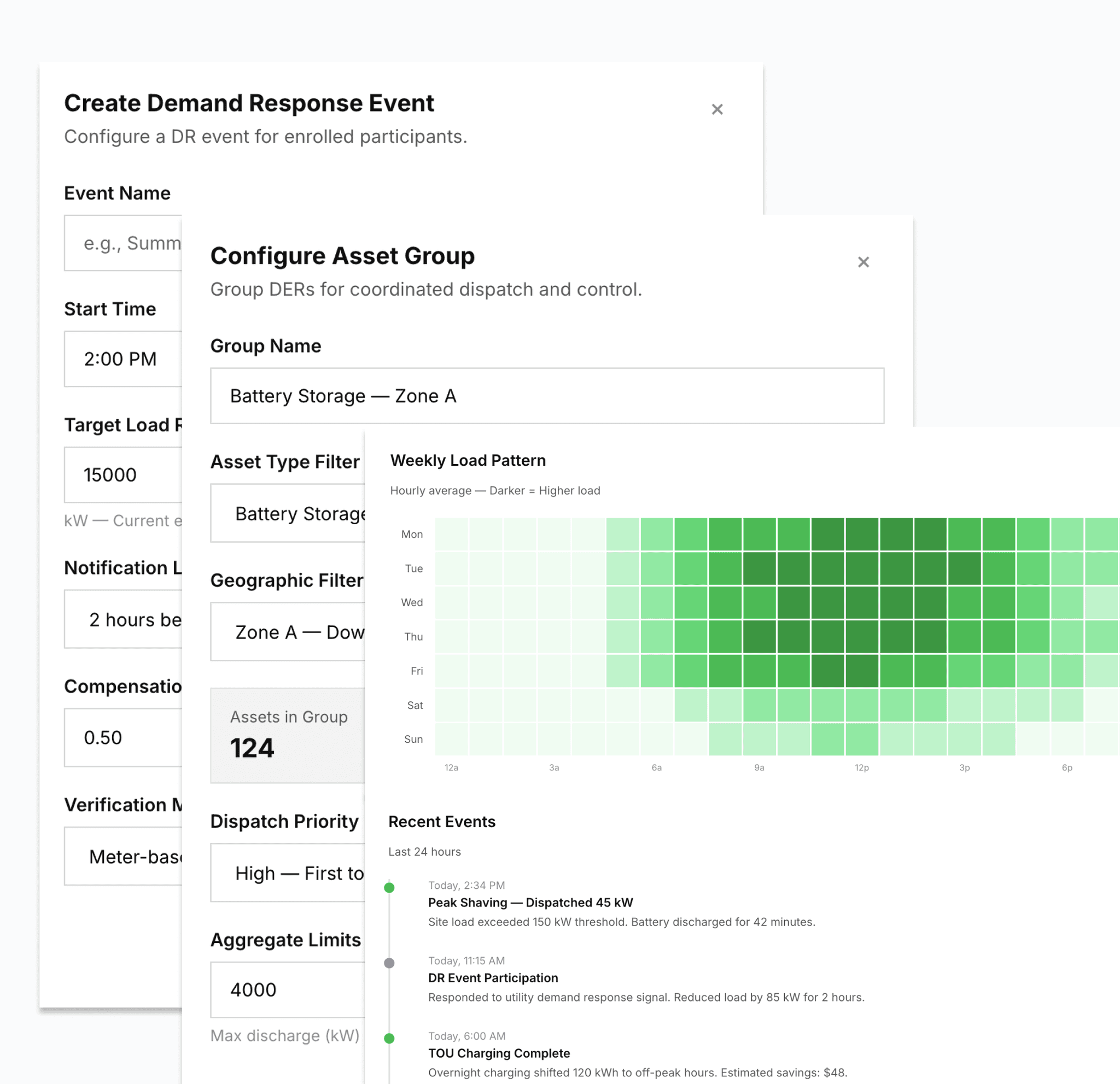
Chargers can be coordinated with batteries, solar, and flexible loads at the site level. Customers who need holistic energy management don’t have to leave the platform for a separate solution. The CPMS becomes the entry point to a broader energy operations layer.
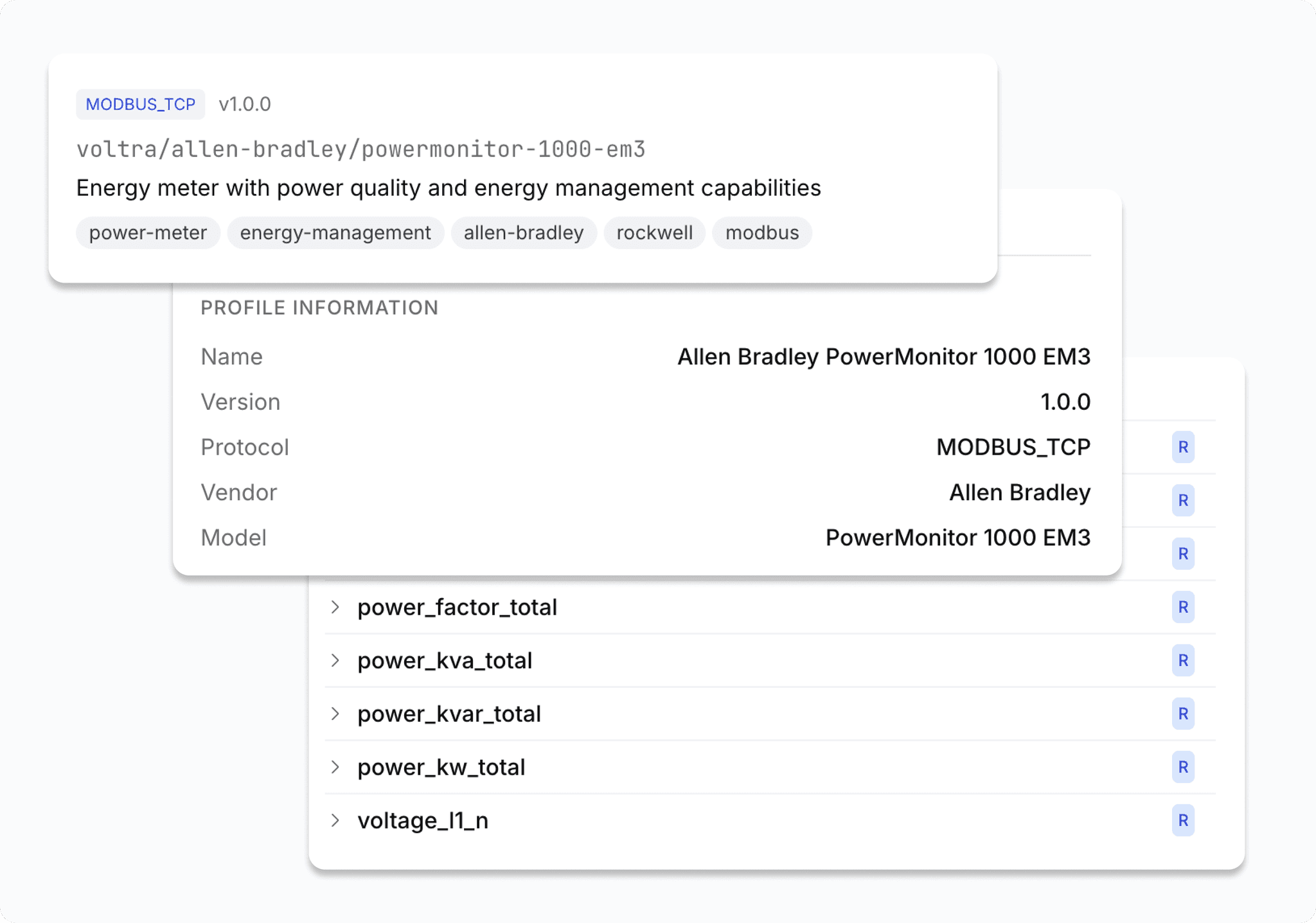
Networks with chargers spread across multiple legacy backends or vendor systems can be consolidated through a proxy layer. Operators can migrate or unify fragmented infrastructure without disrupting existing operations. The CPMS gains customers who would otherwise be stuck on legacy systems.
03 Impact
IMPACT
Customers who need energy optimization, grid integration, or multi-asset coordination can be served without turning them away. The platform competes for accounts it couldn’t previously win.
Energy features are delivered through partnership, not internal build. Engineering stays focused on core CPMS differentiation while customers still get what they need.
Operators who need more than basic CPMS don’t outgrow the platform. Advanced capabilities keep customers on the platform longer and deepen the relationship.
The partner layer integrates through APIs, webhooks, and data feeds that align with how CPMS platforms already work. Capabilities can be embedded, white-labeled, or exposed as add-on services depending on go-to-market preferences.
This commonly includes integration with existing OCPP backends, payment and billing systems, customer portals, and reporting infrastructure that platforms already operate.