Preserved Engineering Focus
Hardware teams stay focused on device performance, cost, and differentiation instead of cloud infrastructure. R&D investment goes into the product, not into reinventing software platforms.
For Hardware OEMs

01 Challenge & Solution
Challenge
Hardware OEMs design and manufacture chargers, inverters, batteries, and other industrial control devices. Customers increasingly expect these products to come with cloud connectivity, remote management, and integration with third-party systems. Most OEMs end up building and maintaining custom software platforms that distract from their core competency and drain engineering resources.
Solution
This unlocks the ability to ship devices with full cloud connectivity and management capabilities without building the software in-house. OEMs can offer customers a complete product experience—provisioning, monitoring, control, and integrations—while focusing engineering effort on hardware differentiation. The software layer becomes a feature of the product, not a separate business to run.
02 Competencies
Competencies
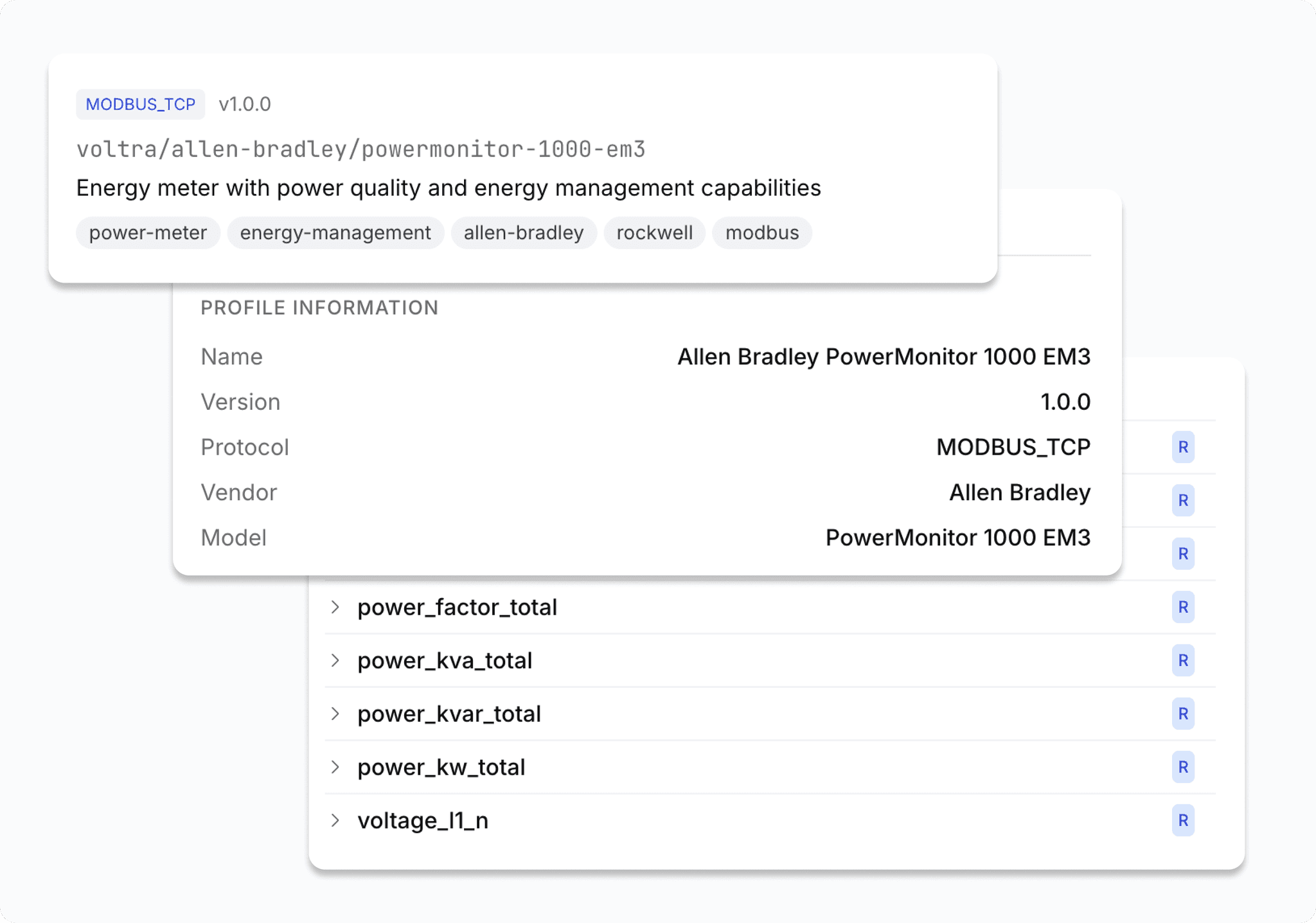
Devices can connect to cloud infrastructure out of the box with minimal configuration. Remote monitoring, firmware updates, and configuration changes can be delivered to devices in the field. Customers get a managed product experience without the OEM building and operating custom cloud infrastructure.
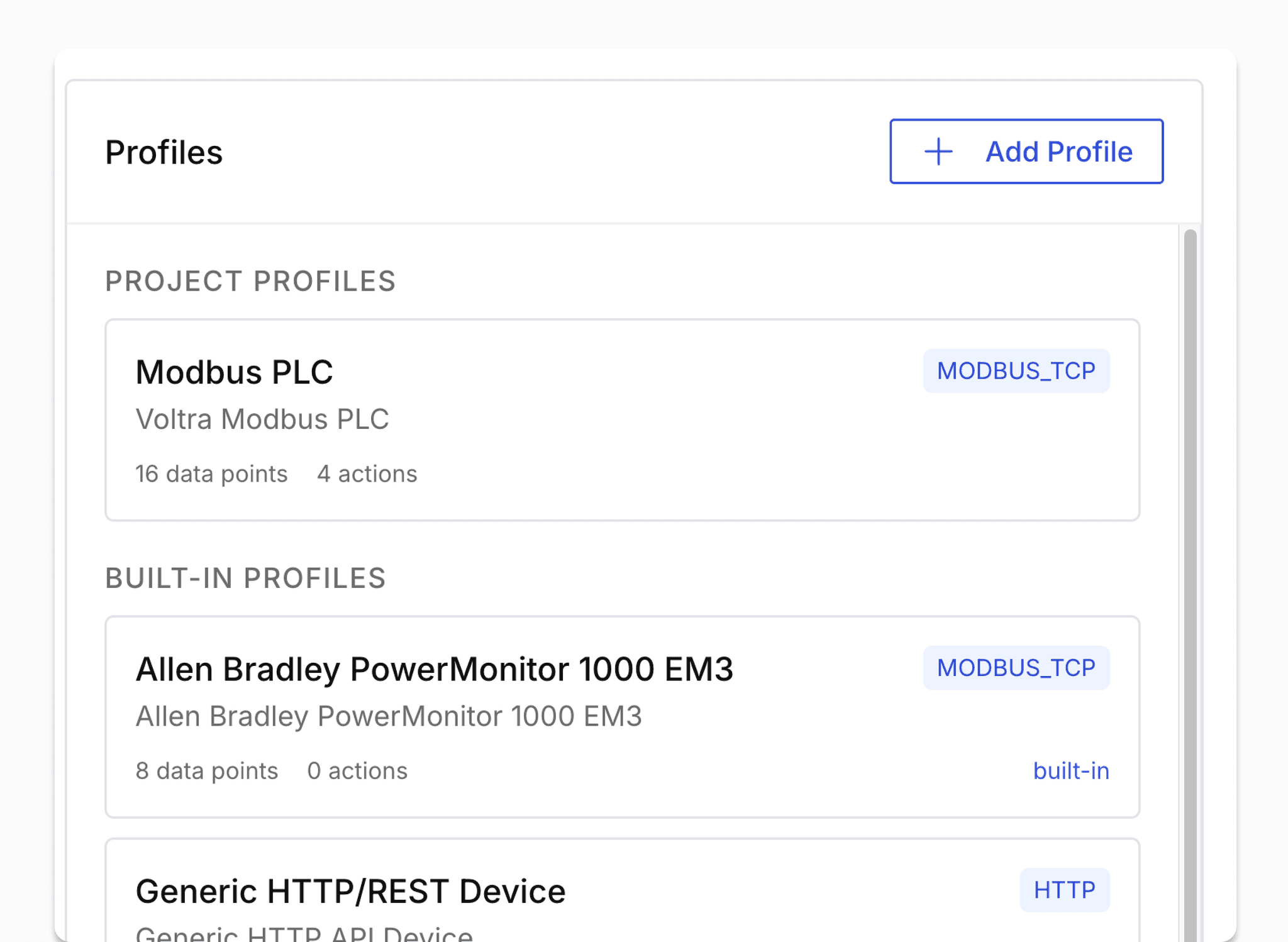
Devices can integrate with third-party platforms, energy management systems, and operator backends through standardized APIs. OEMs don’t need to build custom integrations for every customer or channel partner. Hardware becomes interoperable by default, expanding addressable markets.
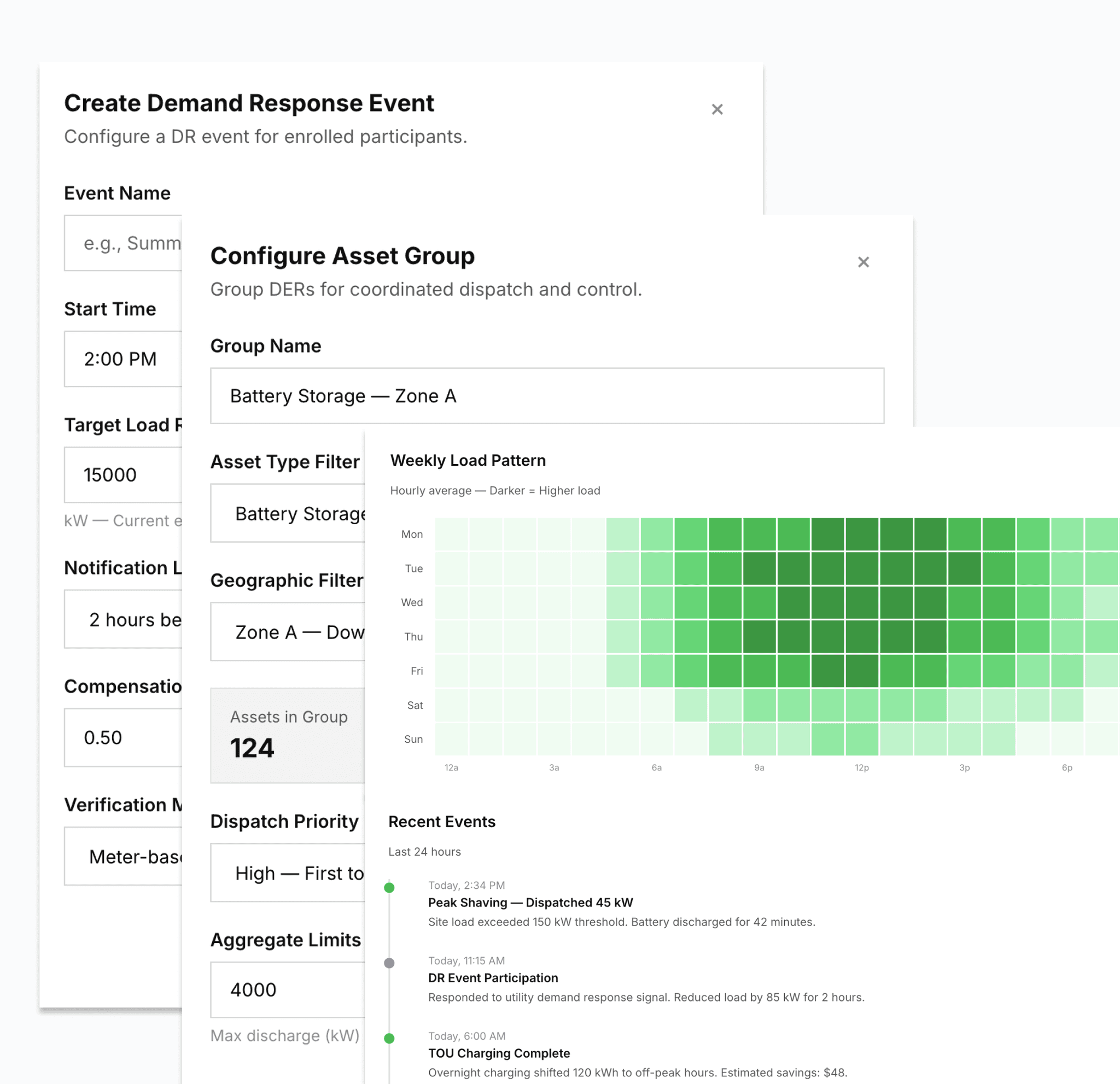
The management layer can be white-labeled or co-branded for distribution partners and large customers. OEMs can support diverse go-to-market channels without fragmenting their software investment. Partners get a polished experience; OEMs retain operational consistency.
03 Impact
IMPACT
Hardware teams stay focused on device performance, cost, and differentiation instead of cloud infrastructure. R&D investment goes into the product, not into reinventing software platforms.
New products ship with full software capabilities from day one without waiting for internal platform development. Feature parity with software-native competitors is achievable without the same investment.
Interoperability and integration readiness open doors to customers and channels that require software-complete products. Hardware becomes viable in markets that previously demanded vertically integrated solutions.
Instead of staffing a software team, building cloud infrastructure, and maintaining integrations across every customer deployment, OEMs leverage a shared operational layer that handles connectivity, management, and integrations. This replaces the burden of becoming a software company with a partnership that keeps hardware companies focused on hardware.
As the product line expands and customer deployments grow, the software layer scales without proportional investment. OEMs spend less time firefighting software issues and more time improving devices, reducing costs, and winning new business.